







Nobody likes you. You’re ugly. You don’t belong here. I don’t like you. You just want attention. You’re fat. You’re a ‘pick-me’ girl. All of these things, and so much more, can be heard from a bully.
Sadly, at least a quarter of the world has been bullied, either physically or verbally. It is a cycle–people who bully others often have been bullied themselves. It could come from feelings of insecurity, or an internal conflict within someone. According to studies, bullies bully most often as a way to seek attention, to feel better about their own insecurities, or to fit in with a peer group.
No matter the why, the detrimental impacts of being bullied includes low grades or test scores, depression, anxiety, suicidal thoughts or actions, an increased risk in using drugs or alcohol, trust issues, low self esteem and changes in eating. It could even lead to an eating disorder.
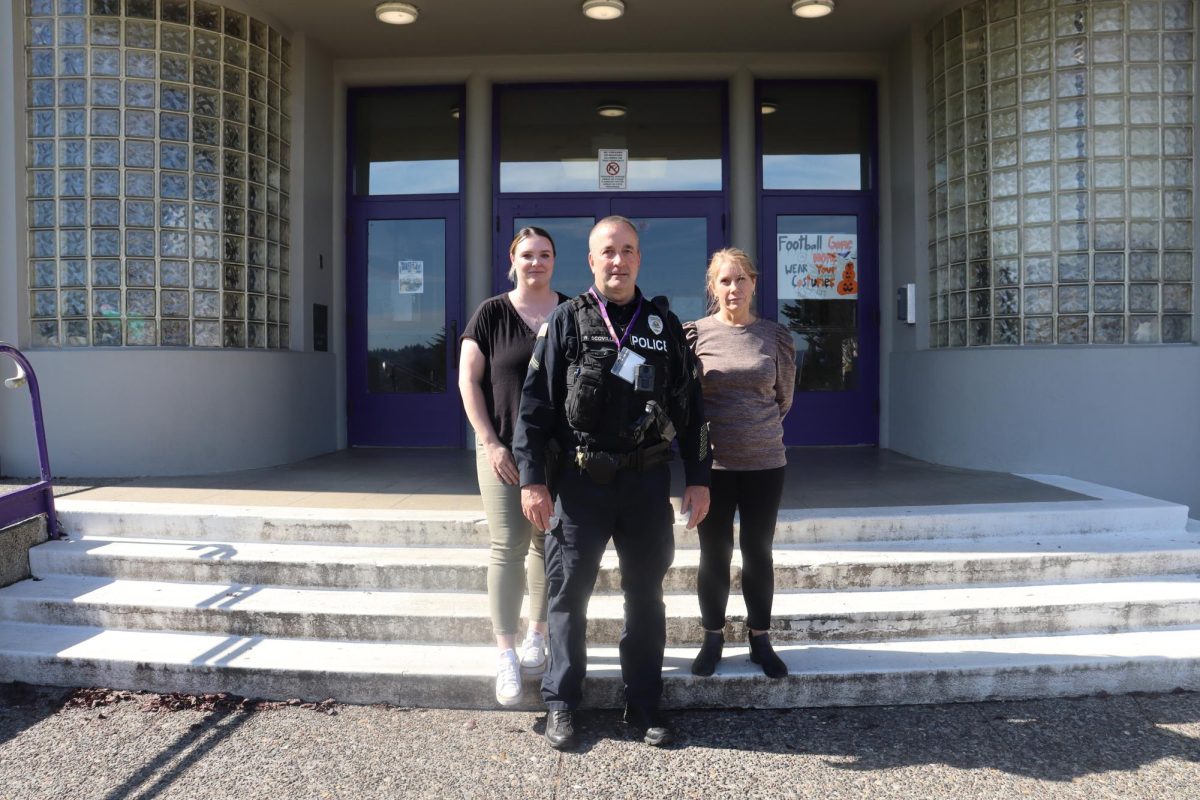
Marshfield High School counselor Taileigh Prickett was verbally bullied a couple times each month throughout her high school years. She felt awful and sad about it, but her response was to keep it to herself. Like most people, being bullied affected her mentally and physically. Eventually she did stand up for herself by trying to walk away from the situation and by telling them to stop.
“Most people get bullied throughout their lives and it just matters how you get through it,” said Prickett
Adult Rebekah Oakland was verbally and physically bullied each day throughout elementary school for three years when she was young. She felt like she was worthless, her opinion didn’t matter, and that there was something wrong with her. She responded by telling the principal, who did nothing. Being bullied affected her both mentally and physically and led to feelings of insecurity that carried through other abusive relationships.
“I am a domestic survivor,” said Oakland.
MHS student Braeden Mosieur was physically and verbally bullied two or three times each day for two years throughout middle school. It made him feel terrible and worthless. His response was lashing out and ignoring the bully and the situation. But, he still felt depressed, and his grades began slipping.
“You can’t pour an empty glass,” said Mosieur.
He’s seen others getting bullied both physically and verbally, and he has reported it. He has stood up for himself and others, now that he has the strength to do so. Letting other victims know they could talk to him about it if they needed to is a strategy that can bring relief to others in the same situation.
“Don’t be scared to tell someone if you’re getting bullied,” said student Nakita Hayes, who has been cyberbullied in grade school.
She responded with silence when she was younger, because she was too scared to say anything, even though it affected her mentally and physically. Now, she will stand up for others by trying to stop the situation.
There are community resources available for anyone who finds themselves as the victim of bullying. The Oregon YouthLine is (877) 968-8491, or text teen2teen (839863). National Suicide Prevention Lifeline can be reached via text at 988, and SafeOregon can be called or texted at (844) 472-3367.